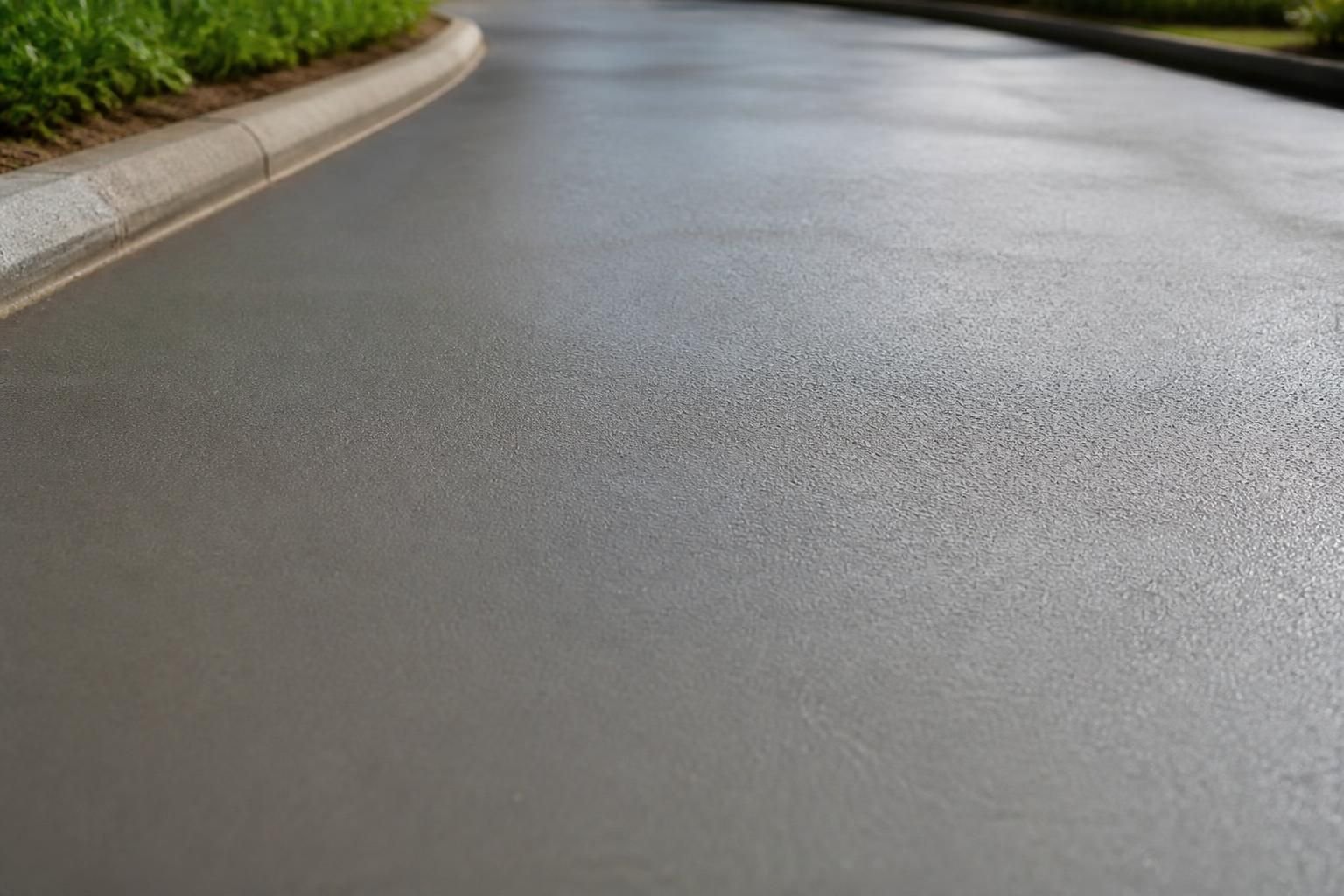
Kennewick Asphalt Paving provides Slurry Coating in Kennewick, WA for property owners in Kennewick, WA and the Tri-Cities.
Slurry coating is a pavement-surface treatment that renews the wearing layer of asphalt with a mixture designed to improve texture and create a more even finished appearance. It is a useful consideration for stable asphalt that has aged at the surface but does not need a full overlay or reconstruction.
Kennewick Asphalt Paving provides slurry coating in Kennewick, WA for property owners who want to address weathered pavement with the right service for its condition. We inspect the asphalt first because slurry coating is not a substitute for repairing potholes, failed base areas, or extensive cracking.
Both services are applied to the surface of suitable asphalt, but slurry coating is typically used to create a renewed wearing course with a more textured finish. Sealcoating is primarily a protective surface layer. The better fit depends on pavement condition, the desired surface outcome, and how the area will be used.
A slurry coating project can make sense when asphalt is faded, lightly raveled, or visually inconsistent but does not have broad structural failure. Property owners may notice worn traffic paths, a roughened surface, patchy appearance, or early aging that makes the pavement feel neglected.
If the pavement has widespread potholes, web-like cracking, persistent settlement, or extensive loose material, more substantial asphalt repair should be considered first. The surface treatment should support good pavement, not cover signs that the structure has failed.
For homeowners, slurry coating can be a way to refresh a stable driveway that has become gray, rough, or blotchy. The condition of the driveway edges, water movement, and any existing cracks should be reviewed first.
For commercial and shared properties, slurry coating can help renew the overall presentation of a paved area without changing the layout. If parking stripes are part of the lot, those markings can be coordinated after the surface treatment is ready.
Coverage area, surface preparation, crack and patch repairs, pavement texture, access, existing markings, and curing conditions all influence project scope. A clean, stable surface gives the treatment a better chance to provide a consistent finish. We explain the planned preparation and expected result clearly before work begins.
Slurry coating can leave suitable pavement looking more uniform with a renewed textured surface. It should not be expected to level major depressions, repair broken asphalt, or eliminate visible transitions from substantial old patches. Those conditions need their own repair strategy.
No. Both are surface treatments, but slurry coating is used as a renewed wearing layer with a different finish and application approach.
Suitable cracks should be evaluated and repaired before coating. A coating does not replace crack filling or patching.
It may be appropriate for a stable residential driveway with surface aging.
Yes. Striping can be planned once the treated pavement is ready.
Pavement with major potholes, widespread structural cracks, or unstable areas may need repair or replacement first.
Yes. Preparation is important for consistent application and a more uniform result.
Call +15094101738 to discuss whether slurry coating fits your driveway or parking surface.