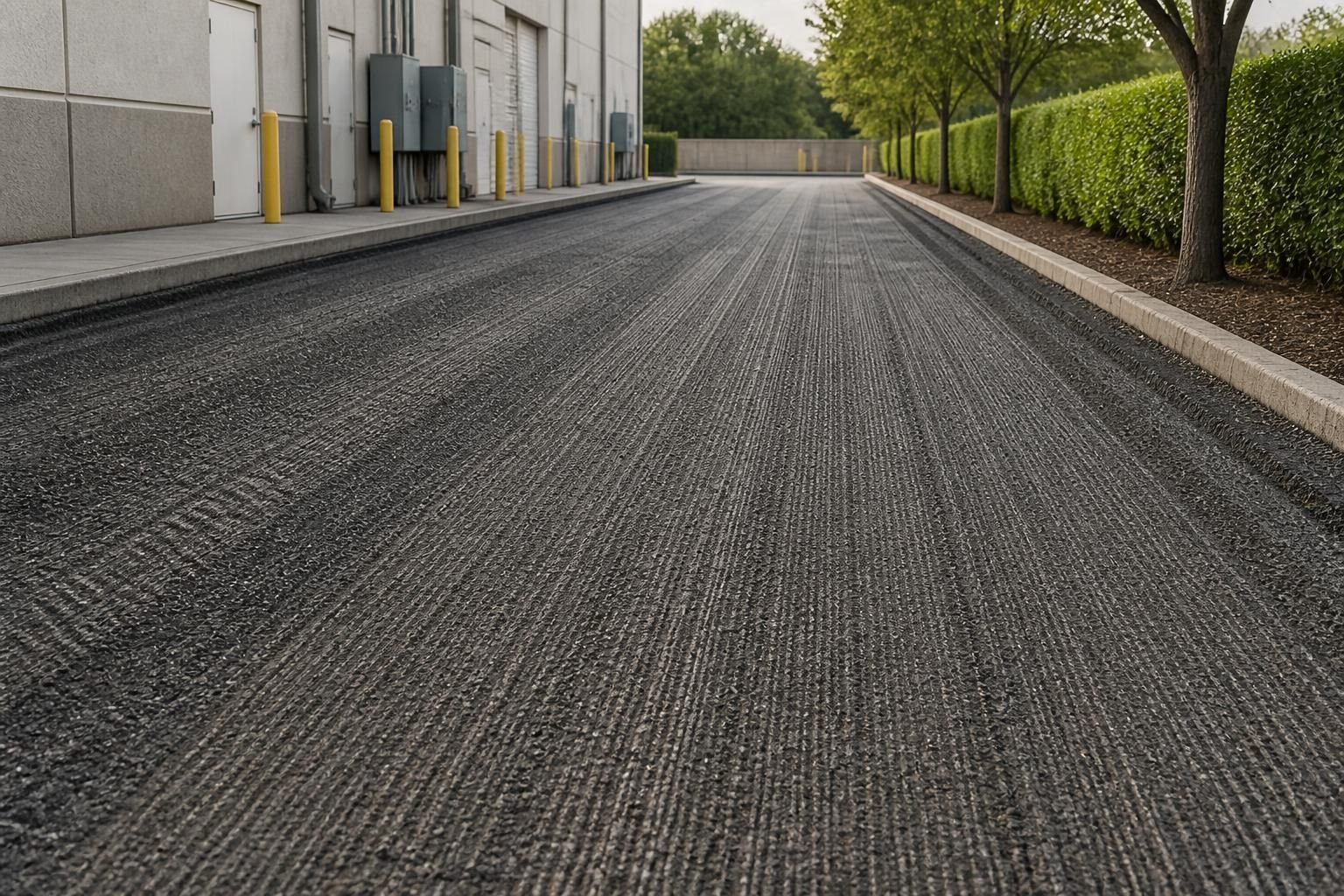
Kennewick Asphalt Paving provides Asphalt Milling in Kennewick, WA for property owners in Kennewick, WA and the Tri-Cities.
Asphalt milling is a controlled removal method used to take away a planned depth of existing pavement. It is often the key preparation step when a surface is too high, too worn, or too uneven for an overlay to be installed properly. Rather than removing every layer of pavement, milling targets the damaged or aged portion that needs to be corrected.
Kennewick Asphalt Paving provides asphalt milling in Kennewick, WA for driveways, parking lots, roadways, and repair areas. We use a site-specific approach because milling depth, transitions, and the condition below the old asphalt determine what work should follow.
Over time, pavement can accumulate old overlays and patches, develop uneven transitions, or wear down in a way that makes a new surface difficult to install at the correct height. Milling removes material to make room for a fresh surface and can help create better tie-ins at curbs, driveways, drains, and entrances.
Milling is useful where a parking surface needs renewal without creating raised transitions around curbs, entrances, or drainage features. It can prepare the lot for a new asphalt layer and eventual restriping.
For driveways, milling can help correct an old surface that has become uneven or sits too high near a garage, street, or adjoining walkway. The driveway and surrounding transitions are evaluated before a plan is set.
Some patch and utility-cut repairs need milling to create a clean tie-in with surrounding pavement. This can be more practical than placing new asphalt over a raised or failing surface.
Milling is normally a preparation service rather than the final finish. Once the old layer is removed, the project may proceed to asphalt resurfacing, patching, paving, or base correction. If milling exposes deeper failures, we explain the condition before moving ahead with a surface layer that would not solve the underlying issue.
The amount of pavement to remove, desired depth, access for equipment, the condition of transitions, drainage, presence of curbs or structures, material removal, and the next planned asphalt treatment all affect scope. A narrow driveway tie-in and a full parking-lot milling project require different planning.
Proper milling leaves a prepared, lower-profile asphalt surface ready for the next construction step. It helps a new surface fit more cleanly and can reduce abrupt elevation changes. It does not by itself solve base failure, which must be assessed separately.
Not necessarily. It removes the planned depth needed for the repair, resurfacing, or transition work.
Milling can create space for new asphalt and help manage finished height at critical transitions.
It can be used to remove raised or failing asphalt before the area is repaired.
It can help maintain appropriate transitions when a new asphalt surface is planned.
We assess the exposed condition and explain whether additional repair or base work is needed.
Yes, when driveway surface height, wear, or transitions need correction before new asphalt is installed.
Call +15094101738 to discuss asphalt milling for a Kennewick property.