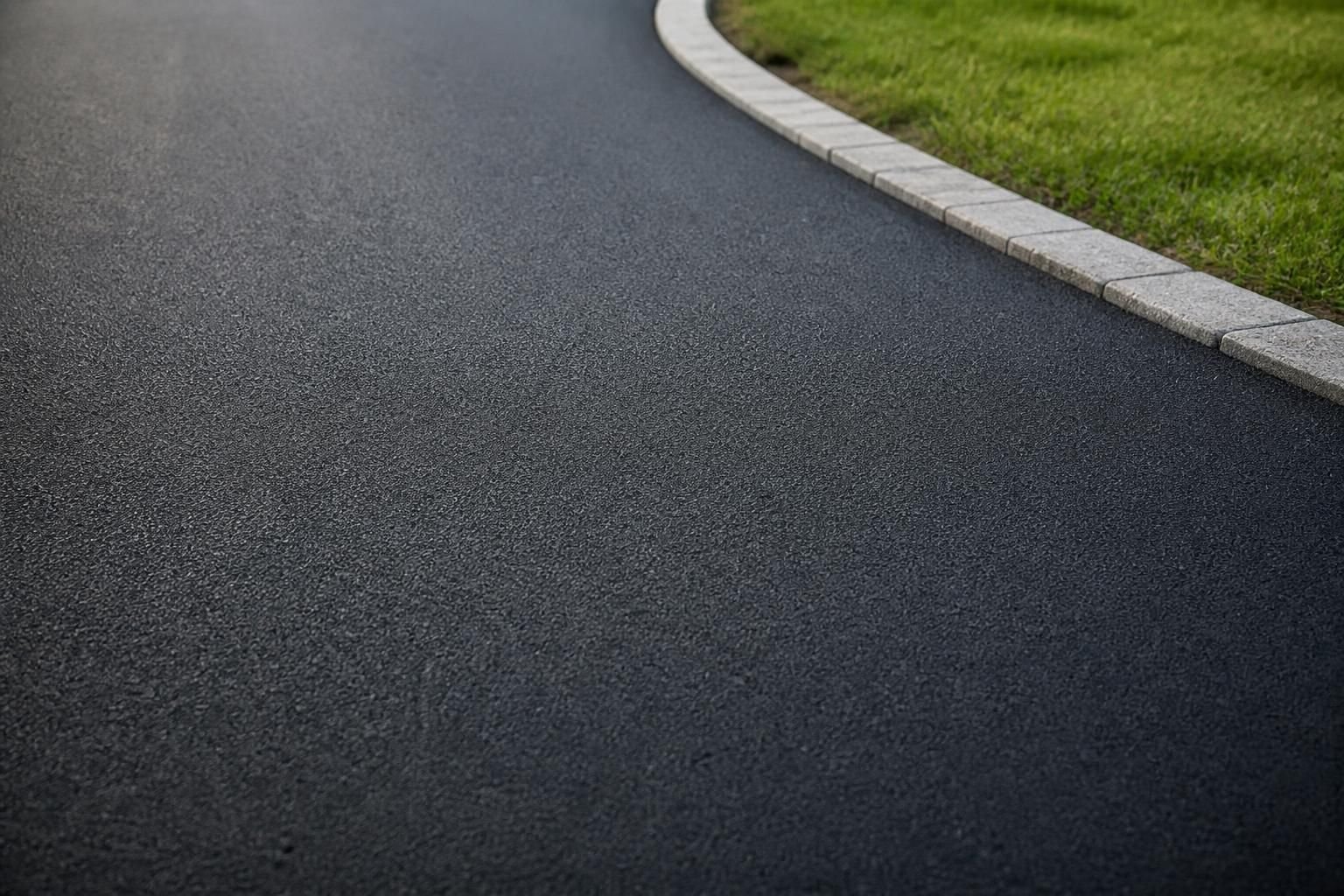
Kennewick Asphalt Paving provides Asphalt Resurfacing in Kennewick, WA for property owners in Kennewick, WA and the Tri-Cities.
Asphalt resurfacing renews the top of an existing paved surface when it has broad wear but still retains usable support beneath it. It is a different solution from a few isolated repairs and a different scope from complete asphalt removal and replacement. The key question is whether the pavement below the worn surface can support a new layer.
Kennewick Asphalt Paving provides asphalt resurfacing in Kennewick, WA for driveways, parking lots, access lanes, and other paved areas. We evaluate the current asphalt, identify problems that must be corrected first, and explain whether resurfacing is a practical way to restore a smoother, more consistent surface.
Resurfacing, sometimes called an overlay, adds fresh asphalt over a prepared existing pavement surface. It can improve ride quality, appearance, and the continuity of a paved area that has become rough, faded, or covered in minor surface defects.
It is not an automatic answer for every old asphalt surface. If the base is failing, the pavement has extensive alligator cracking, or settlement is affecting large areas, placing new asphalt over those problems may not be the right solution.
The site review focuses on support beneath the surface, not just how the asphalt looks from a distance. We inspect cracks, patches, low areas, curb and driveway transitions, drainage patterns, and the condition of traffic zones. This tells us which sections need repair before an overlay and whether the wider surface is suitable for resurfacing.
Pavement with broad surface aging, faded texture, and minor cracking can often be a candidate when the underlying structure is still stable.
Deep potholes, widespread web cracking, repeated settlement, or many failed patches can suggest the need for deeper repair, removal, grading, or new paving. We explain that distinction clearly.
Resurfacing is not simply placing new asphalt over everything that is there. Failing areas need attention so their defects do not telegraph quickly through the new layer. Milling may be considered at transitions where surface height matters. Patching can correct localized failures before the overlay is placed. Crack treatment helps address appropriate open lines in stable pavement.
The exact preparation depends on the property. A driveway may need attention at garage and street transitions. A commercial lot may need repairs at entrances, drive aisles, and areas around drainage features before the wider surface is resurfaced.
For a homeowner, resurfacing can create a more unified driveway where the base remains usable but the top layer has become worn, rough, or patchy. We consider the property layout, access, edges, and water movement before recommending it.
For a parking lot, resurfacing can refresh the driving and parking surface while creating a clean base for re-striping. Traffic flow, entrances, curb lines, drainage, and access during the project all affect the scope.
Surface size is important, but condition is equally important. Factors can include the amount of prep repair, milling needs, elevation at transitions, existing drainage, the location of curbs or structures, equipment access, and whether markings must be restored after the new asphalt is placed.
We provide a practical estimate based on the surface itself and explain why preparation steps are included. That helps customers understand the difference between an overlay that is appropriate and a surface that needs more fundamental work.
A resurfaced asphalt area should provide a smoother, darker, more consistent surface for regular use. It does not rebuild deep support problems below the pavement, which is why a correct site assessment matters first. After resurfacing, routine attention to drainage, new cracks, and traffic wear can help protect the renewed surface.
No. Resurfacing adds a new layer over a prepared existing surface. Replacement involves removing and rebuilding more of the asphalt structure.
Yes. Localized failures are commonly addressed as part of preparing a surface for an overlay.
A sinking area needs to be assessed. If the support below is failing, deeper correction may be needed before resurfacing.
Yes. New striping can be planned once the resurfaced lot is ready for markings.
Milling may be considered where surface height and transitions need adjustment. It depends on the project.
We assess the surface, base condition, cracks, patches, and transitions to determine whether resurfacing fits.
Call +15094101738 to discuss asphalt resurfacing in Kennewick and nearby Tri-Cities communities.