Parking lot striping does more than make a property look organized. Clearly marked stalls, accessible spaces, traffic arrows, loading zones, and fire lanes help visitors understand where to drive, park, and walk. For property owners in Kennewick and the Tri-Cities, a restriping project is also a useful opportunity to review the overall layout before new paint goes down.
Start with a site-specific striping plan
Every parking area has different dimensions, traffic patterns, entrances, and local requirements. A practical plan accounts for the number and size of stalls, aisle widths, pedestrian routes, curb edges, wheel stops, signs, and the way delivery vehicles enter or turn around. Existing paint is not always a reliable guide, especially after a property has changed use or been resurfaced.
Accessible parking and access aisles
Accessible spaces require more than a symbol painted in a stall. Their location, width, adjacent access aisle, signage, and connection to an accessible route all matter. Requirements can depend on the property and jurisdiction, so owners should confirm the applicable details with the local authority or a qualified accessibility resource before approving a final layout.
Fire lanes and emergency access
Fire-lane markings should be planned with the authority having jurisdiction. Access routes, curb markings, lettering, signs, and no-parking areas may be required in particular locations. Keeping these areas visible helps avoid blocked access and confusion during busy periods. Do not rely on a general online diagram when a local review is available.
Mark the areas drivers use most
Striping should make the expected route easy to follow from the moment a driver enters the lot. Directional arrows, stop bars, crosswalks, loading areas, and reserved spaces are useful when they match the actual flow of traffic. Clear transitions at entrances and exits can reduce abrupt turns and conflicts with pedestrians.
Coordinate striping with pavement work
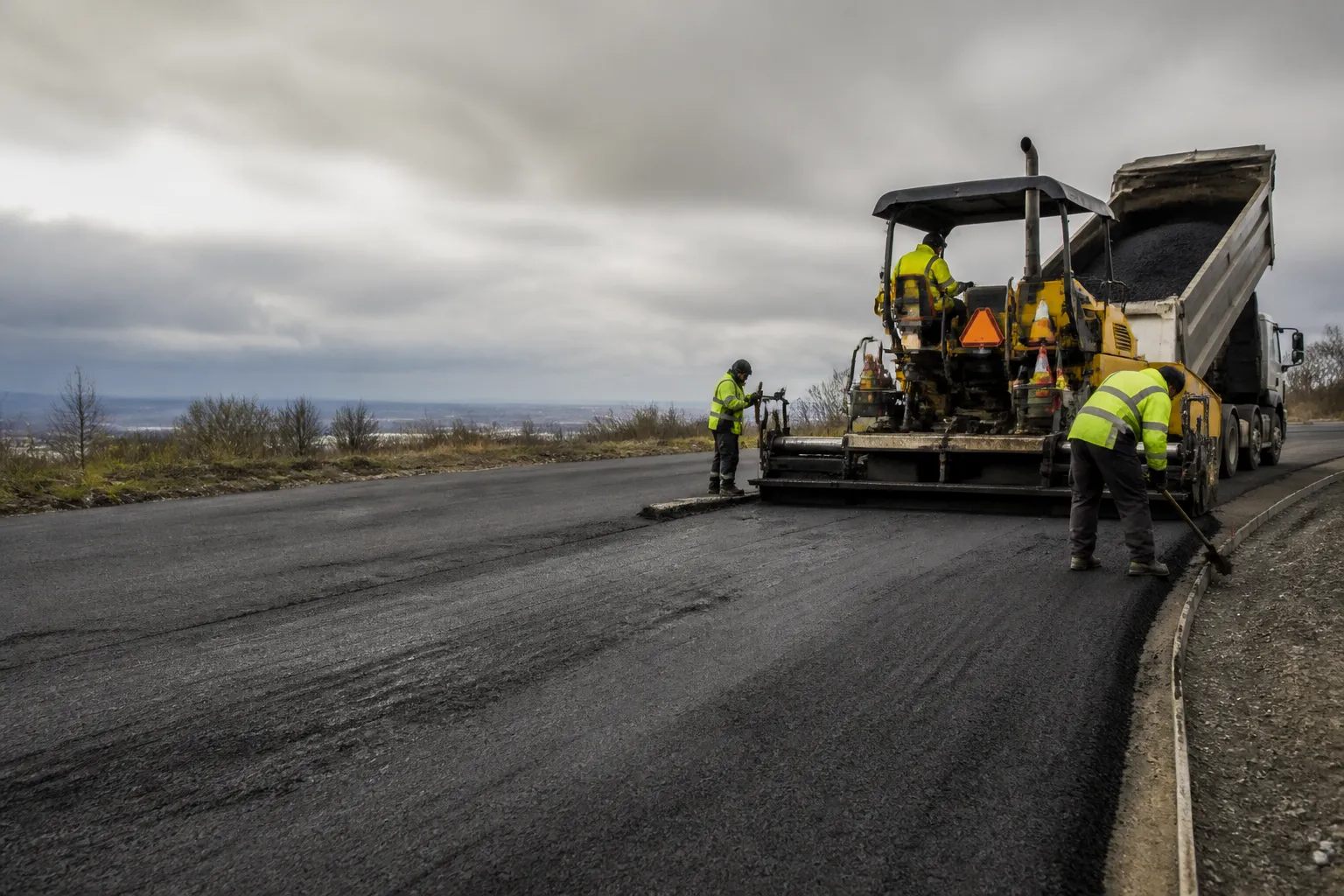
New asphalt, patches, crack repairs, and sealcoating can affect when markings should be applied. Planning striping alongside pavement maintenance prevents fresh lines from being removed or covered during later work. It also gives the owner a chance to correct drainage problems, damaged curbs, or unsafe walking paths before the layout is finalized.
Know when it is time to restripe
Faded markings can make a sound parking lot feel difficult to use. Inspect lines after winter weather, heavy traffic periods, and surface maintenance. If stall boundaries, arrows, or accessible markings are hard to see from a vehicle, the property may benefit from a restriping review. A clean surface and a clear layout improve day-to-day usability without changing the entire pavement system.
ADA basics to plan for
Under the ADA standards, at least one of every six accessible spaces must be van accessible. Every accessible space needs a marked access aisle next to it. Both the space and the aisle must be nearly level, with a slope no steeper than 1:48, so a fresh layout may also need grading. Each space should have a sign, and the route from the aisle to the building entrance should be clear of curbs and steps.
Fire lanes and traffic flow
Fire lane rules come from the local fire code, so markings, curb color, and wording can differ by city. Check with the local fire marshal before you repaint. Arrows, stop bars, and crosswalks help drivers move in one direction and keep walkers safe.
What restriping costs
Angi lists parking lot line repainting at $500 to $1,200. Angi also notes lots need fresh paint every few years as lines fade. Striping right after sealcoating makes the lines sharper and easier to see.
How long does new striping take to dry?
Most traffic paint dries quickly in warm weather, but cool or damp days slow it down. Ask your crew how long to keep cars off.
Planning a restripe
Start with a fresh layout, not just tracing old lines. Count how many total spaces you have, since that number sets how many accessible spaces you need. Measure stall widths and drive aisles, and check that loading zones and fire lanes are clear. Pick a date with dry, mild weather. Clean the surface first so paint sticks, and close sections in phases if the lot must stay open.
Plan a practical next step
Before scheduling work, walk the property during a busy time and note where drivers hesitate, pedestrians cross, or vehicles park outside marked spaces. Then discuss the observations with a paving and striping professional. Asphalt striping can be coordinated with repairs and maintenance. Contact Kennewick Asphalt Paving to discuss a clear, site-appropriate plan.
Keep reading: see parking lot costs in Kennewick and how often to resurface a lot. For hands-on help, visit our asphalt striping and ada compliant striping pages.